Watercolor Floral Frame Illustrations: A Creative Asset
In the world of visual design, authentic texture and organic beauty often hold the most power. Watercolor floral frame illustrations are a perfect embodiment of this principle. These are not rigid, vector-based graphics; they are hand-painted compositions, born from physical brushstrokes on paper and meticulously digitized to preserve every delicate wash and subtle pigment bleed. This unique origin gives them a warmth and softness that purely digital creations often strive to achieve but rarely replicate.
The Distinctive Appeal of Hand-Painted Digital Assets
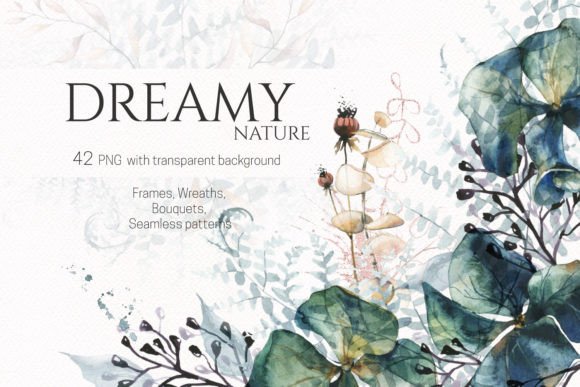
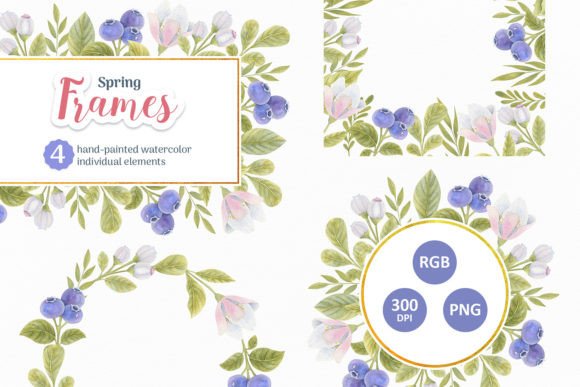
What sets a quality set of watercolor floral frames apart? The key lies in their dual nature. They carry the soul of traditional artistry—the spontaneous flow of watercolor, the visible paper grain, the gentle imperfections that suggest a human touch—while offering the absolute practicality of a digital file. This means you get the aesthetic charm of a botanical illustration painted in a studio, combined with the flexibility of a high-resolution PNG with a transparent background. You can scale, layer, and integrate these frames into your projects without losing the intricate detail or that coveted handmade feel.
The technical specifications are crucial for professional use. High resolution, typically 300 DPI, ensures that whether your final product is a small gift card or a large poster, the print quality remains crisp and the colors vibrant. The RGB color mode is ideal for both digital displays and most modern printing processes. And the PNG format with transparency is the universal key for non-destructive design work, allowing you to place the floral frame over any background or image seamlessly.
Core Characteristics for the Practical Creator
When evaluating watercolor floral frame illustrations, several attributes signal their utility. First, isolation and a clean transparent background are non-negotiable. This allows for immediate use without tedious cropping. Second, the scale and resolution must be sufficient for your intended output; sizes like 4869px x 3279px provide enormous room for cropping or use in large-format projects. Finally, the artistic cohesion within a set is vital. While each frame should be unique, a consistent palette and style ensure they can be used together across a campaign or brand suite without visual conflict.
Real-World Applications Across Industries
The versatility of watercolor floral frame illustrations is remarkable, precisely because they bridge the gap between elegant artistry and functional graphic design. Their applications span from deeply personal to strictly commercial.
For personal and social projects, they are a go-to resource. Imagine crafting wedding invitations that feel intimate and custom-made, or birthday flyers that stand out with a touch of organic beauty. They elevate DIY greeting cards, scrapbook pages, and even personalized postcards, adding a layer of sophistication that generic templates lack.
In a professional and business context, these illustrations serve as powerful, soft-branding elements. Marketers and entrepreneurs can use them to frame text on social media graphics, making promotional posts feel more artistic and engaging. They are perfect for creating elegant email headers, blog post featured images, or webinar invitations. For client-facing materials like proposal covers or thank-you cards, a watercolor frame conveys thoughtfulness and attention to detail.
The realm of product and packaging design is another natural fit. The sublimation-ready PNG format means these designs can be applied to textiles, mugs, or other products, while their aesthetic enhances gift cards, product labels, and packaging for small businesses, especially in niches like beauty, wellness, or artisan goods where a natural, gentle brand image is key.
Maximizing Value in Your Workflow
To get the most from these assets, consider your software ecosystem. The PNG format’s broad compatibility—with programs from Adobe Photoshop and Illustrator to Canva, Affinity Designer, and even word processors—means you are not locked into a specific tool. This flexibility is a major efficiency boost. A practical recommendation is to keep the original high-resolution files in an organized archive and create a lower-resolution folder for quicker web-use drafts. This preserves quality for final outputs while speeding up the initial design phase.
Selecting and Implementing With Confidence
Choosing the right set of watercolor floral frame illustrations involves looking beyond the immediate aesthetic. First, assess the scope of the provided sizes. A set offering a variety of dimensions and orientations (like a tall frame and a wide frame) offers more layout options than four frames of identical proportions. Second, examine the previews closely for true transparency—no residual white halos around the edges—and color consistency. Lastly, consider the botanical variety: a mix of loose florals and more structured leaf frames provides greater compositional flexibility than a set of only roses, for instance.
Implementation is straightforward but benefits from a mindful approach. Always place these frames on a temporary background during editing to clearly see the transparent areas. When resizing, maintain the aspect ratio to prevent distortion of the delicate paint strokes. For print projects, a final check at 100% zoom in your layout software will confirm that the 300 DPI resolution holds up at the intended print size. Remember, the strength of a watercolor floral frame illustration is often in its subtlety; it can serve as a supportive border, not always a dominant centerpiece, allowing your message or main imagery to shine within its beautiful confines.
Ultimately, a set of watercolor floral frame illustrations is more than just clipart. It is a bridge between two worlds: the tactile, imperfect beauty of hand-painted art and the streamlined, versatile demands of modern design. For creators, professionals, and business owners seeking to infuse their work with authenticity and grace, these assets offer a practical path to achieving that goal, elevating everyday projects into something that feels considered, crafted, and uniquely engaging.