Vintage Floral Digital Images: A High-Resolution Asset for Modern Creative Workflows
In the toolkit of any creative professional or hobbyist, a collection of versatile, high-quality digital assets is fundamental. Among these, Vintage Floral Digital Images occupy a unique and valuable niche. These are not mere pictures; they are ready-to-use, meticulously crafted graphic elements that bridge the charm of bygone eras with the precision and flexibility demanded by contemporary digital design. Understanding where these assets fit within a broader creative or business process is key to leveraging their full potential.
Think of your workflow as a series of stages: conceptualization, asset selection, design execution, and final output. Vintage Floral Digital Images function primarily as a crucial component in the asset selection and design execution phases. They are the raw materials that transform a blank canvas or a basic product mock-up into something distinctive and evocative. Their inclusion in a project often occurs after the core idea is solidified but before the detailed assembly begins, serving as both an inspiration spark and a practical building block.
Integration with Tools and Platforms
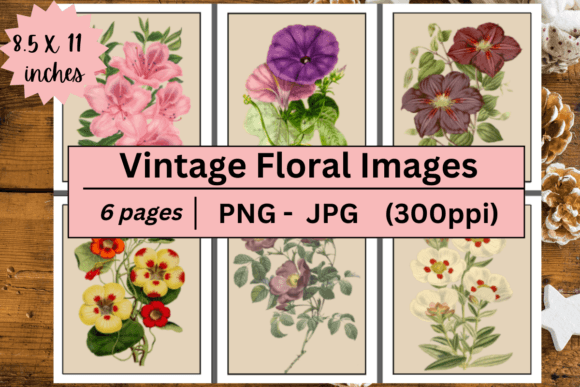
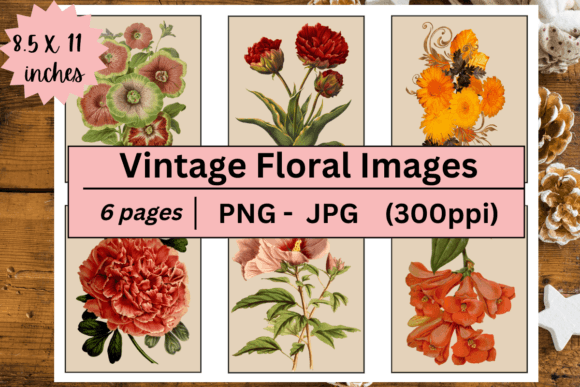
The true power of these high-resolution images lies in their compatibility and interaction with the software and platforms you already use. The provided file formats—PNG and JPG at 300ppi—are industry standards. PNG files, with their potential for transparency, are ideal for layering designs in applications like Adobe Photoshop, Illustrator, Canva, or Affinity Designer without needing complex clipping paths. The accompanying JPG files offer high-quality, compressed versions perfect for quick placements or for use in web-based design tools where file size is a consideration.
This dual-format approach accommodates different stages of your workflow. You might use the PNGs for the intricate, final design of a wedding invitation where the floral motif needs to sit cleanly over textured paper, while the JPGs could be used for a rapid prototype of a website banner in a collaborative online platform. The consistency in resolution and size—all images at 8.5 x 11 inches and 300 pixels per inch—ensures that whether you are designing for print or digital, you have a known and reliable starting point. This eliminates the common workflow interruption of resizing or correcting resolution discrepancies, maintaining efficiency from start to finish.
Practical Applications Across Diverse Projects
The utility of Vintage Floral Digital Images extends far beyond a single use case. Their application is a matter of matching the asset’s character to your project’s needs. For the small business owner creating branded materials, these images can provide a consistent visual theme across invitations, cards, and website design. A freelancer designing t-shirt graphics or cell phone covers can isolate a single floral element from the PNG file to create a repeated, stylish pattern. The hobbyist engaged in paper crafts or digital album creation can use the images as full-page backgrounds or as cut-out elements for decoupage.
Consider the process of designing a line of jewelry or magnets. Here, the vintage floral motifs can be directly incorporated into CAD software or print templates for etching and molding. The high resolution guarantees that even when scaled down for a small pendant, the intricate details of the floral artwork remain crisp and clear, a critical factor for quality control. For entrepreneurs in the nail wrap or bottle cap customization market, these digital images become the central artwork that is printed onto vinyl or adhesive sheets, their vintage aesthetic offering a distinct product line in a crowded marketplace.
Organizing and Preparing Your Assets
Effective implementation begins with proper asset management. Upon acquiring a set of Vintage Floral Digital Images, integrate them into your existing organizational system. Create a dedicated folder within your digital asset library. Label it clearly and consider subdividing it by the PNG and JPG formats for even quicker access. This simple step saves significant time during the heat of a project, when you need to locate and test different motifs. Before diving into a major design, take a preparatory step: open a few of the files in your primary design software. Examine the color palettes, the composition, and the level of detail. This familiarization allows you to plan your color schemes and layout more effectively, knowing exactly what visual elements you have to work with.
For long-term use and consistency across multiple projects, you might create a style guide snippet based on these images. Note the dominant colors, the style of line work, and the overall mood. This helps ensure that even when you combine these vintage florals with other assets or typography, the final design remains cohesive. This is especially valuable for bloggers, publishers, and educators who produce a steady stream of content and need a reliable way to maintain a recognizable visual identity.
Enhancing Efficiency and Creative Outcomes
Integrating pre-made, high-quality assets like these into your workflow is fundamentally about efficiency and elevating outcomes. They remove the need to source or create foundational artwork from scratch, which can be a time-intensive process. This allows you to allocate more time to the nuanced aspects of design: layout, typography pairing, and final adjustments. For the productivity-minded user, this is a tangible acceleration of the creative process.
Moreover, these images often serve as a creative catalyst. A vintage floral motif with soft hues and elegant lines might inspire a shift towards a more romantic tone for an invitation suite. A brighter, more graphic floral pattern could steer a website design toward a retro-modern aesthetic. Their role is interactive; they are not passive inserts but active contributors to the creative direction. This interaction underscores the importance of selecting digital assets that are not only technically sound but also rich in stylistic character.
In practical execution, a useful observation is to leverage the large image size. The 8.5 x 11-inch base means you have ample room to crop, zoom, and extract specific portions without losing quality. You might use only a corner of one image as a delicate border on a card, or center a large bloom as a focal point on a t-shirt. This flexibility encourages experimentation within your design software. Try different cropping ratios, play with layering multiple transparent PNG elements, and see how the colors interact with your chosen backgrounds. This hands-on exploration is often where the most unique and personalized designs are born.
Final Considerations for Seamless Integration
To integrate Vintage Floral Digital Images smoothly, keep a few final tips in mind. Always check the final output specifications of your project. While the 300ppi resolution is perfect for most print and high-definition digital uses, confirm the specific requirements of your printer or platform. When using the images for web design, remember to optimize the final exported file for web to ensure fast loading times, even though your starting asset is high-resolution.
Also, consider the legal and ethical use of such assets. Typically, these collections are offered for personal and commercial projects, but always verify the license terms to ensure your specific use—whether for a client’s merchandise or your own blog—is covered. This due diligence is part of a professional workflow and safeguards your projects from future complications.
Ultimately, Vintage Floral Digital Images are more than just decorative files. They are strategic tools that, when understood and organized properly, can be deployed across a vast array of creative and commercial endeavors. They fit into the planning stage as inspirational aids, into the execution stage as primary components, and into the final product as the defining aesthetic element. By adopting a process-oriented approach to using them—focusing on preparation, compatibility, and thoughtful application—you can consistently produce work that stands out for its quality, charm, and professional finish.