Elevate Your Wedding Design Process with a Hand-Drawn Roses Floral Wedding Element
For designers, content creators, and wedding professionals working on invitations, websites, or marketing materials, sourcing the right visual assets is a critical step. The workflow often involves moving from a concept to sketches, then to digital mockups, and finally to polished deliverables. A high-quality hand-drawn Roses Floral Wedding element is a unique asset that fits directly into this creative and logistical process. It is not merely a decorative image; it’s a versatile, pre-made component that can dramatically shorten the path from idea to execution.
Understanding the Asset and Its Place in Your Workflow
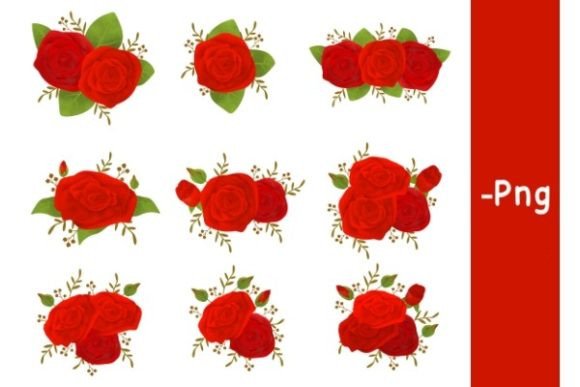
Roses Floral Wedding typically refers to a detailed, hand-drawn illustration centered on roses, crafted specifically for wedding-related themes. What you receive—a PNG file—is a ready-to-use digital asset. Its hand-drawn nature provides an organic, elegant texture that stands apart from generic vector graphics or stock photography. This distinction is important for workflow efficiency and brand consistency. Instead of spending hours creating a custom illustration from scratch or settling for a less-perfect stock image, you integrate this prepared asset, allowing you to focus your time on layout, typography, and client communication.
This asset interacts seamlessly with other tools and resources. You can import the PNG directly into design software like Adobe Photoshop, Canva, or even presentation tools like PowerPoint. It complements your existing color palettes, font choices, and other graphical elements. For a wedding planner creating a client proposal PDF, it adds a touch of bespoke luxury. For a blogger writing about floral arrangements, it serves as a perfect, royalty-free featured image. Its application is not confined to a single phase; it can be used in the initial pitch (before), the main design creation (during), and even in post-event thank-you cards or gallery websites (after) the wedding project.
Key Practical Applications and Implementation
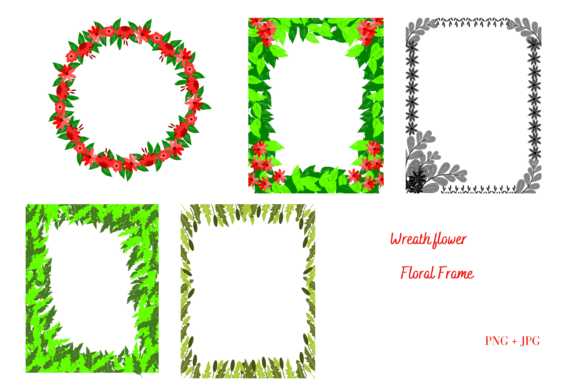
Let’s break down specific use cases where this hand-drawn wreath becomes a practical tool.
First, consider branding and stationery design. A cohesive wedding brand for a couple or a wedding planning business needs consistent visual language. You can use the roses wreath as a core logo element, a repeating motif on invitation suites, and as a watermark on social media graphics. The high-quality PNG ensures it scales without losing detail, crucial for both print and digital outputs. Implementation here is straightforward: establish the asset as your primary floral graphic and apply it across all touchpoints.
Second, for digital content creation, the asset simplifies production. Blog posts, email newsletters, and website headers require engaging visuals. A hand-drawn element conveys authenticity and effort, aligning with content that aims to feel personal and trustworthy. Rather than searching for new images for each post, you can use variations of this same wreath—perhaps cropping it, overlaying text, or changing its background color—to create a recognizable visual series. This approach aids organization and efficiency, building a library of derivatives from one master file.
Integration Tips for a Smooth Creative Process
To integrate the Roses Floral Wedding PNG smoothly into your routine, start with preparation. Dedicate a folder in your project management or asset library specifically for such premium graphical elements. Tag it appropriately so it’s easily retrievable for future wedding-related projects. Check its compatibility by opening it in your primary design software to confirm resolution and transparency settings; a high-quality PNG should have a transparent background, allowing for flexible layering.
Usability is paramount. Because it’s hand-drawn, pay attention to its stylistic details—the line weight, the shading, the floral density. Ensure any other elements you pair with it share a similar level of detail or artistic feel to maintain design harmony. For instance, a very minimalist, geometric font might clash with an organic, detailed wreath. Choosing a script or serif font may create a more cohesive outcome. This is a subtle but important aspect of quality control.
Long-Term Value and Workflow Efficiency
The long-term use of such an asset extends beyond a single wedding. For professionals who handle multiple clients per year, it becomes a template component. You can adapt it for different seasons by adjusting surrounding colors—deep greens for winter, bright accents for summer—while the central rose motif remains your consistent, quality anchor. This supports efficiency, as you are not reinventing a core visual for every project.
Furthermore, it interacts with decisions about your overall resource allocation. Investing in a few high-quality, versatile hand-drawn assets like this can reduce ongoing subscriptions to massive stock photo libraries where finding the perfect image is time-consuming. It empowers you to build a curated, proprietary asset kit that elevates your work’s perceived value.
Consider a workflow example for a freelance graphic designer. Upon receiving a new wedding invitation project brief, you immediately open your curated asset folder and place the Roses Floral Wedding PNG onto your canvas. It establishes the artistic direction. You then select a color palette from the rose hues in the illustration itself, ensuring color harmony. You build the typography and layout around it. The asset has effectively dictated a coherent style from the start, streamlining the entire design process and reducing iterative client feedback loops.
Beyond Weddings: Cross-Application in Creative Projects
While crafted for weddings, the application of a beautiful hand-drawn roses wreath is not rigidly limited. Its thematic core of romance, elegance, and natural beauty makes it suitable for adjacent projects. A marketer for a boutique perfume brand might use it in promotional materials for a rose-scented product launch. An educator creating materials for a botany or art history course could use it as a visual aid. The key is recognizing the asset’s inherent qualities—authentic artistry, floral focus, high quality—and mapping them to your project’s needs for luxury, nature, or hand-crafted aesthetics.
In these broader contexts, its integration into your workflow remains similar. It serves as a ready-made artistic component that elevates the baseline visual quality of your deliverable. It prevents the common pitfall of using low-effort graphics that undermine professional content. Whether you are a small business owner crafting a newsletter, a hobbyist designing a personal blog, or a publisher assembling a book cover, this type of asset provides a shortcut to sophisticated design without requiring advanced illustration skills.
Ultimately, the practical value of a hand-drawn Roses Floral Wedding element lies in its dual role as both a beautiful image and a functional workflow tool. It enters your process as a solved problem—the need for a perfect floral graphic—freeing your time and cognitive resources for the tasks that require your unique expertise: layout, messaging, strategy, and client relationships. By thoughtfully embedding such assets into your standard operating procedures, you build a more efficient, consistent, and high-quality creative practice.